


In our fast-paced modern lives, finding a moment of true calmness can feel like a luxury. Between work deadlines and digital distractions, our bodies are often stuck in a state of high alertness. At NHOILS, we champion holistic, nature-backed wellness—and when it comes to unwinding naturally, few elements are as powerful as magnesium.
This vital mineral acts as the body’s natural “brake pedal,” helping to soothe a racing mind and relax tense muscles. Let’s dive into the science of how it works, the best forms to choose, and when to take it for optimal relaxation.
The Science Behind the Calm
Magnesium is a busy worker, involved in over 300 biochemical reactions in the human body. When it comes to mental and physical relaxation, it plays two critical roles:
- Regulating GABA: Magnesium binds to and activates GABA (gamma-aminobutyric acid) receptors in the brain. GABA is the neurotransmitter responsible for slowing down brain activity, signaling to your nervous system that it is time to wind down.
- Reducing Cortisol: It helps manage the body’s stress response by regulating cortisol—the infamous stress hormone. Lower cortisol levels mean a smoother transition into a restful state.
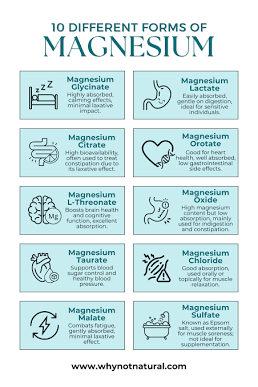
Understanding the different chemical structures of magnesium supplements. Source: WhyNotNatural
Choosing the Right Form of Magnesium
Not all magnesium is created equal. Because pure magnesium must be bound to another molecule for our bodies to absorb it, the type of molecule it pairs with completely changes its effect.
Here are the most common forms you will find:
1. Magnesium Glycinate (The Stress Reliever)
This form is bound to glycine, a calming amino acid. It boasts exceptionally high bioavailability (how easily your body absorbs it) and is incredibly gentle on the stomach. If your main goal is reducing anxiety, improving sleep quality, or general relaxation, this is the gold standard.
2. Magnesium Citrate (The Digestive Aid)
Bound with citric acid, this form is highly soluble and easily absorbed. However, it pulls water into the intestines, meaning it has a mild laxative effect. It is excellent for structural relaxation and relieving occasional constipation, but it may cause an upset stomach if taken in large doses right before bed.
3. Magnesium Malate (The Daytime Energizer)
Bound to malic acid, this form is fantastic for muscle relaxation and soreness without causing drowsiness. In fact, malic acid plays a role in cellular energy production, making it a favorite for those managing chronic fatigue or daytime muscle tension.
4. Magnesium Sulfate (The External Soother)
Commonly known as Epsom Salt, this form is poorly absorbed through the digestive tract but works wonders when dissolved in a warm bath. It allows magnesium to be absorbed topically, instantly soothing aching muscles and drawing out physical tension.
Timing is Everything: When to Take It
To get the most out of your routine, map your intake to your body’s natural daily rhythms:
- For Sleep and Anxiety: Take Magnesium Glycinate roughly 30 to 60 minutes before bed. This gives the mineral time to activate your GABA receptors, clearing the path for deep, uninterrupted sleep.
- For Muscle Recovery: If you experience daytime tension or stiffness from desk work, take Magnesium Malate with your breakfast or lunch to keep muscles fluid throughout the day.
- For Evening Wind-Downs: Draw a warm bath with Magnesium Sulfate (Epsom salts) after a long day to physically signal to your body that it’s time to rest.
Summary Table: Magnesium Forms at a Glance
| Form | Primary Benefit | Best Time to Take | Laxative Effect |
| Magnesium Glycinate | Anxiety relief, deep sleep, mental calm | 30-60 mins before bed | Very Low |
| Magnesium Citrate | Muscle tension relief, digestion | Evening (with water) | Moderate to High |
| Magnesium Malate | Daytime muscle soreness, energy | Morning or Afternoon | Low |
| Magnesium Sulfate | Topical muscle relief, relaxation | Post-workout / Bedtime bath | N/A (Topical) |
A Wholesome Approach to Balance
While supplements are a convenient way to close the gap, a diet rich in whole foods is always your foundation. You can easily boost your daily magnesium levels naturally by incorporating dark leafy greens, whole grains, nuts, and seeds into your kitchen routine.

Magnesium-rich food sources. Source: The Nutrition Source – Harvard University
Just as cold-pressed, traditional cooking oils supply your cells with clean, unrefined fats to build long-term health, choosing the right vitamins and minerals gives your nervous system the structural support it needs to thrive. Prioritize your rest, choose your nutrients wisely, and listen to what your body needs!