
Essential oils are powerful botanical extracts, packed with the concentrated essence of plants. While they offer incredible benefits for relaxation, skin care, and natural home remedies, using them incorrectly can cause serious skin irritation or sensitization. At NH OILS, we believe that pure, traditional carrier oils are the unsung heroes of safe aromatherapy—acting as the gentle, nourishing base that allows potent essential oils to work safely on your skin.
Whether you are blending a soothing massage oil or a targeted rollerball, understanding proper dilution is the most important rule in aromatherapy. Here is your complete guide to diluting essential oils safely, complete with a quick-reference chart and the common mistakes to avoid.
Why Dilution Matters
Essential oils are volatile, highly concentrated compounds—it takes pounds of plant material to produce just a single small bottle. Applying them “neat” (undiluted) directly to your skin can overwhelm your skin barrier, leading to redness, burns, or long-term allergic reactions.
Pairing them with a high-quality, cold-pressed carrier oil (like Sweet Almond, Jojoba, Coconut, or Sesame oil) slows down evaporation, aids absorption, and spreads the essential oil evenly across the skin without irritation.
Essential Oil Dilution Chart (By Percentage)
A good rule of thumb is to measure your carrier oil in milliliters (ml) or ounces (oz) and count your essential oil in drops.
| Dilution Percentage | Drops per 10 ml (2 tsp) Carrier Oil | Drops per 30 ml (1 oz) Carrier Oil | Best Recommended Use |
| 0.5% (Very Gentle) | 1 drop | 3 drops | Facial care, sensitive skin, children (ages 2–6), pregnant individuals. |
| 1% (Daily Care) | 2 drops | 6 drops | Daily body lotions, full-body massage, older adults, long-term use. |
| 2% (Standard) | 4 drops | 12 drops | General adult topical use, bath oils, everyday wellness blends. |
| 3% – 5% (Targeted) | 6 – 10 drops | 18 – 30 drops | Short-term targeted relief (sore muscles, joint discomfort, bug bites). |
| 10% (Acute / Spot) | 20 drops | 60 drops | Very small spot treatments only (e.g., a single blemish) for a few days max. |
(Note: Keep total essential oil drops combined within these limits—if you use two different essential oils in a 2% blend for 30 ml, use 6 drops of each for a total of 12 drops).
5 Common Dilution Mistakes (and How to Avoid Them)
1. Adding Essential Oils Directly to Bathwater
Oil and water do not mix. If you drop essential oils straight into a warm bath, the undiluted droplets will float on the surface and cling directly to your skin, often causing stinging or burns in sensitive areas.
- The Fix: Always mix your essential oil drops into 1 tablespoon of a carrier oil (like Cold-Pressed Coconut or Sesame Oil) or unscented liquid castile soap before swirling it into the bathwater.
2. Guessing Drops Instead of Measuring
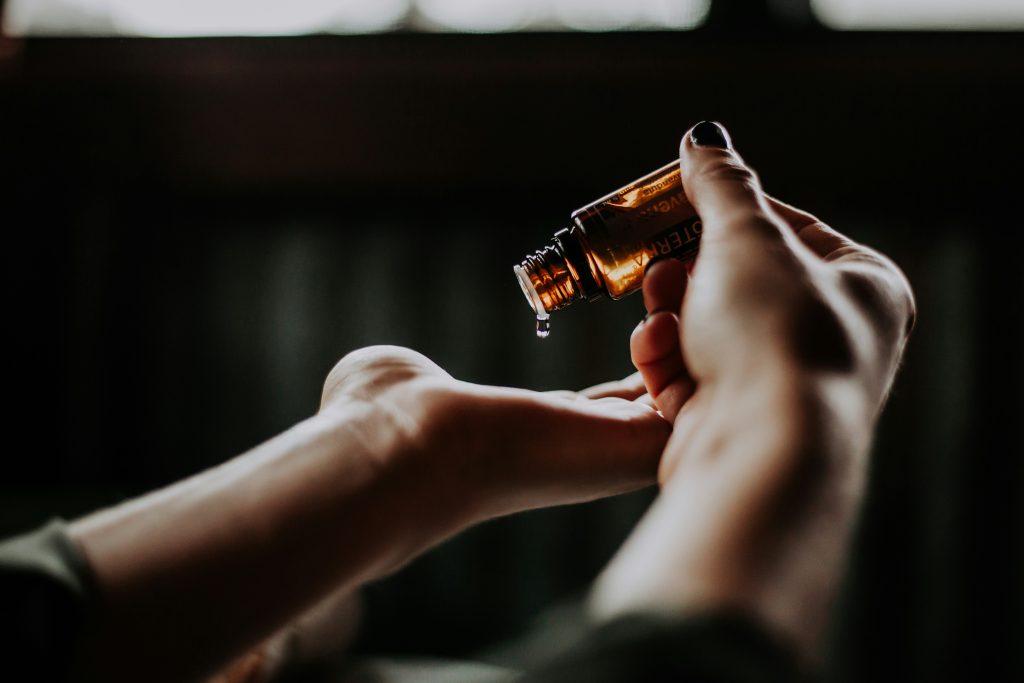
Tipping a bottle over a bowl of carrier oil and letting drops fall freely can easily turn a safe 2% blend into an irritating 8% blend—especially with thinner oils like Tea Tree or Eucalyptus that pour quickly.
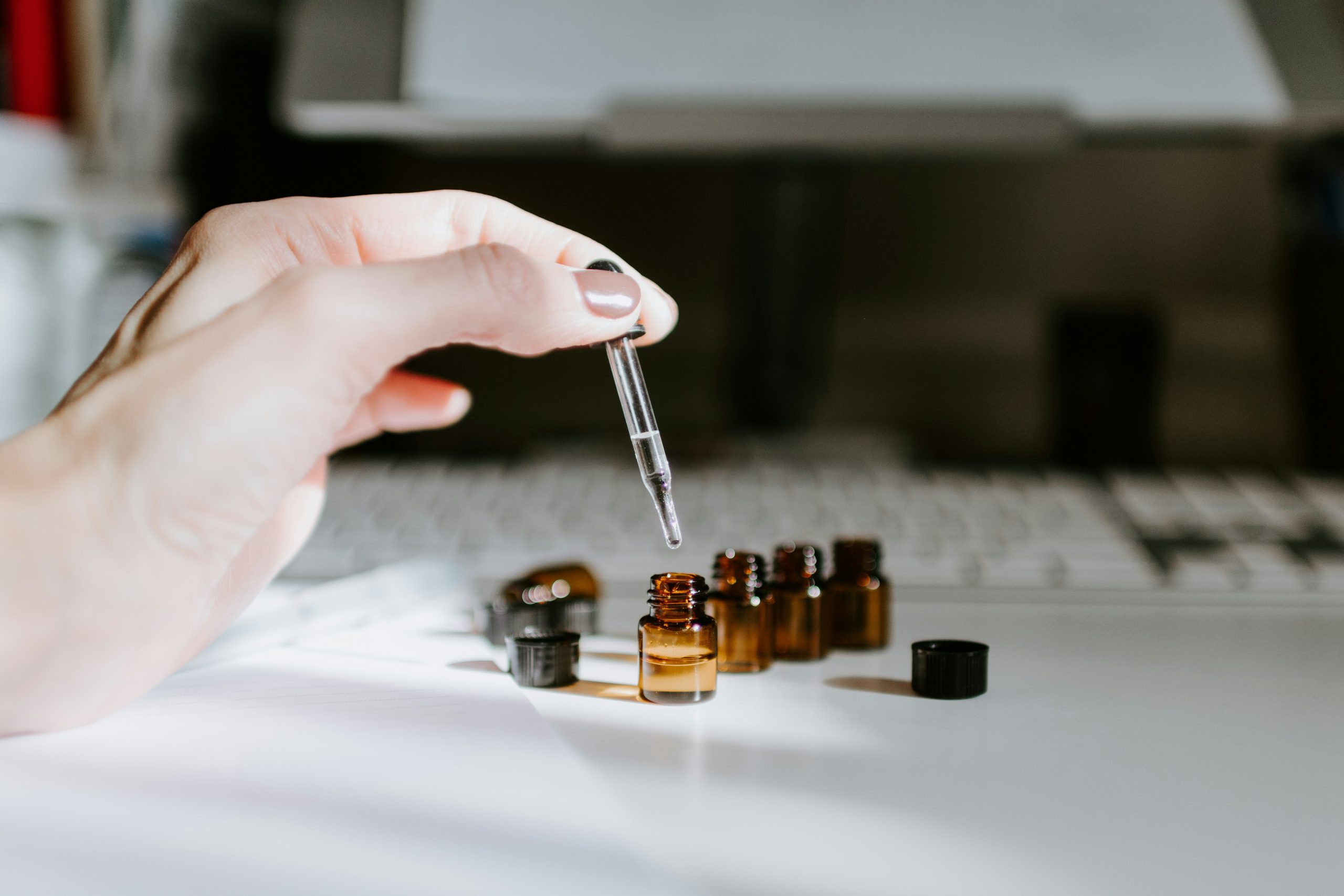
- The Fix: Use a glass dropper or pour carefully at a 45-degree angle, counting every single drop before adding your carrier oil.
3. Ignoring Phototoxicity in Citrus Oils
Cold-pressed citrus oils—such as Bergamot, Lemon, Lime, and Grapefruit—contain natural compounds called furanocoumarins that react with UV light, causing severe sunburns or dark skin discoloration.
- The Fix: Keep citrus oils at very low dilutions (under 0.5% to 1%) for leave-on products, or avoid sun exposure on applied areas for at least 12 hours.
4. Using Refined or Rancid Carrier Oils
The quality of your carrier oil matters just as much as your essential oil. Heavily refined oils lose their natural vitamins and fatty acids, while old, oxidized oils can irritate the skin on their own.
- The Fix: Always choose fresh, cold-pressed, unrefined carrier oils stored in dark glass bottles away from heat and sunlight.
5. Using “Hot” Oils at Standard Percentages
Certain spice and herb oils—including Cinnamon Bark, Clove, Oregano, and Peppermint—are naturally “hot” and can cause immediate burning sensations even at a standard 2% dilution.
- The Fix: Dilute hot oils heavily (0.5% or less for topical skin use) and always perform a 24-hour patch test on your inner forearm before widespread application.
A Wholesome Foundation for Natural Care
True wellness is all about balance and respect for nature’s potency. Essential oils offer remarkable support for mind and body, but they rely on the gentle strength of pure carrier oils to do their job safely.
For your next DIY massage or skincare blend, start with a clean, nutrient-rich base like NH OILS Cold-Pressed Coconut or Sesame Oil, measure mindfully, and enjoy the pure benefits of nature without compromise!